

Database of Occupation-Specific Exposures (DOSE)
A flagship, first-of-its-kind program led by the Canadian Institute for Safety, Wellness, and Performance (CISWP) and funded by Ontario’s Workplace Safety and Insurance Board (WSIB).
DOSE is transforming how workplace injuries are understood, measured, and prevented by generating high-resolution, objective exposure data across industries.
Actual Worksites. Actual Workers. Actual Conditions.
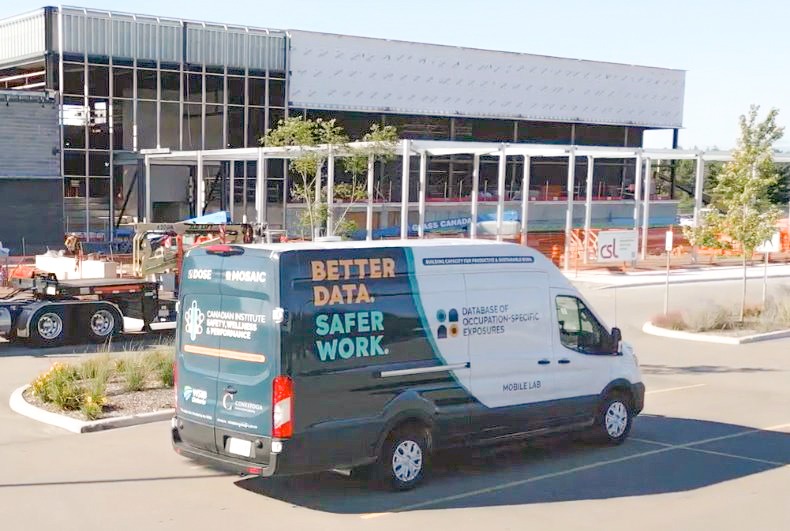
DOSE is a groundbreaking, first-of-its-kind program focused on collecting data directly at worksites across Ontario through CISWP’s mobile research labs. Our research team collect valuable objective data as they perform their actual the day-to-day tasks, whether responding to emergency calls, working on construction sites, providing care, or supporting critical infrastructure.
DOSE is Canada’s only comprehensive database of occupation-specific exposures, offering an unprecedented evidence base to inform injury prevention, workforce planning, and policy development.
Building Job and Task Exposure Matrices for Canada
The DOSE dataset forms the backbone for creating:
- Job Exposure Matrices (JEMs)
- Task Exposure Matrices (TEMs) Building Job and Task Exposure Matrices for Canada
These tools allow for:
- Retrospective exposure estimation
- Cumulative exposure calculations
- Robust epidemiological research

Advanced Technology for Real‑World Injury Prevention
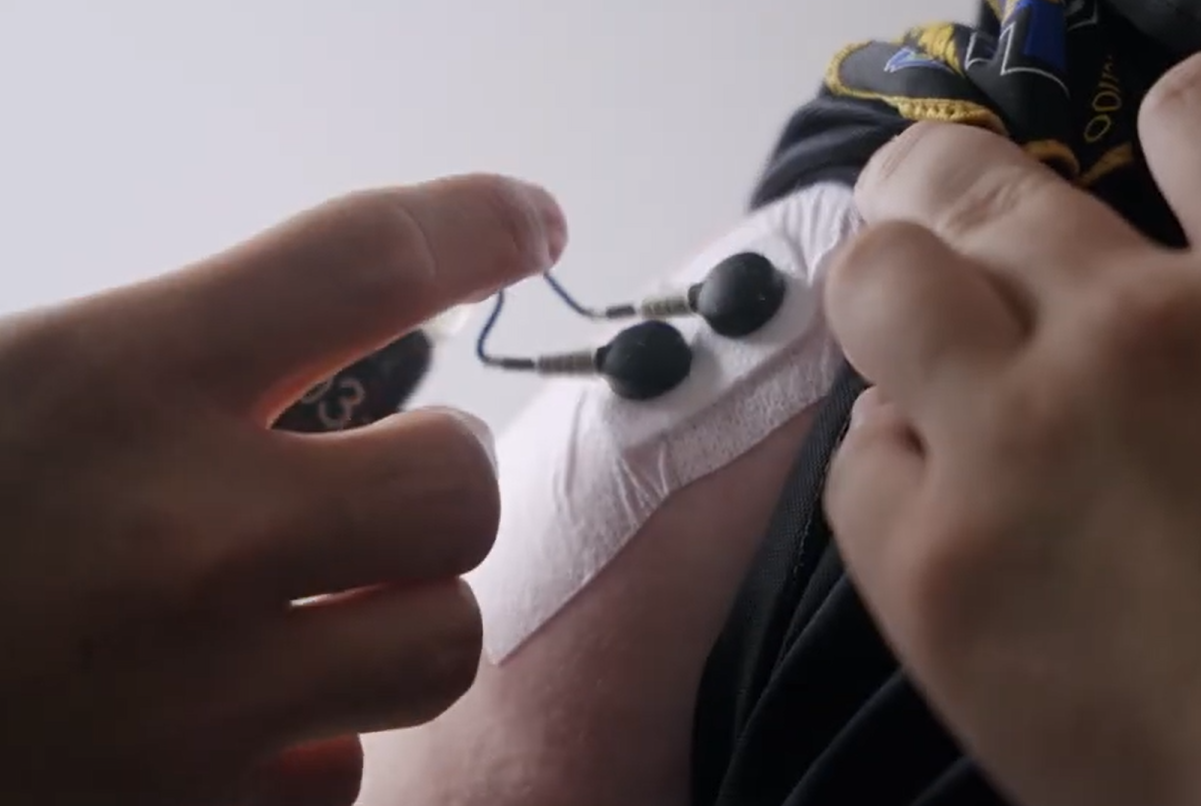
Using state-of-the-art wearable sensor technology, for every National Occupational Classification (NOC) code, DOSE measures:
- Physical and biomechanical demands
- Ergonomic risk factors
- Cognitive and psychological demands
- Environmental factors
Measured at the job- and task-level, these comprehensive measurements fill a critical gap in exposure assessment, enabling precise identification of high‑risk tasks and job roles that contribute to injury, strain, and lost workdays.
Data Drives Changes
DOSE strengthens efforts to reduce work‑related injuries and enhance worker health, safety, and performance across the Canadian labour force. Findings from DOSE directly support the development of:
- Evidence-informed tools and guidelines
- Targeted injury-prevention strategies
- Smarter workforce planning
- Evidence-informed return-to-work and accommodation practices
- Practical and data-driven rehabilitation strategies for healthcare professionals
- Policy and program development by grounding decisions in real-world data