
Publications and Resources
CISWP’s Knowledge Hub is your central resource for trusted, evidence-informed insights in the field of work and health.
Our Knowledge Hub brings together a comprehensive collection of resources designed to translate CISWP’s cutting‑edge research into practical tools, guidance, and learning opportunities for workplaces, practitioners, policymakers, and researchers.
Explore Research to Practice (R2P) videos that distill our latest findings into clear, actionable recommendations. Access webinar recordings featuring in‑depth discussions on emerging issues, innovative solutions, and CISWP‑led research across sectors. Browse our library of publications, reports, tools, and guides, showcasing the breadth of our contributions to advancing worker safety, wellness, and performance.
All resources within the Knowledge Hub are created to provide high‑quality data, real‑world evidence, and practical solutions that help organizations make informed decisions and support healthier, safer, and more inclusive workplaces.
Additional resources are available through DOSE and MOSAIC platforms (under development).
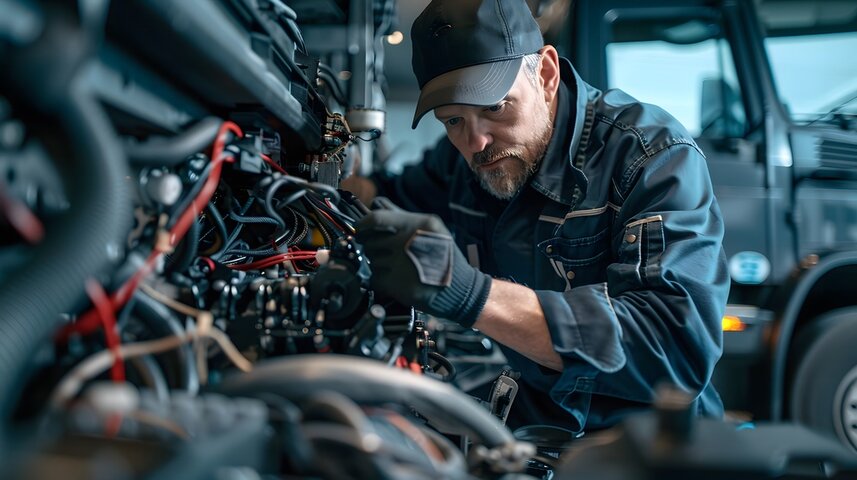
An Evaluation of Occupational Health & Safety Training Components of Motive Power Skilled Trades Training Standards in Ontario
Objective We reviewed and evaluated the occupational health and safety (OHS) training components of the curriculum and apprenticeship standards of motive power sector skilled trades in Ontario. A detailed gap analysis of OHS education was conducted by comparing the existing OHS training components with lagging indicators (Ontario’s Workplace Safety and Insurance Board [WSIB] injury data), representing a novel approach to identify training gaps in OHS education. This research will inform Ontario’s skilled trades industry, policy makers, and skilled trades training delivery agents of evidence-informed gaps in OHS training and may lead to the development of trade-specific OHS training, targeted to trade-specific workplace injuries, that can be integrated into current and future curricula standards or through experiential learning. This research also provides a framework for skilled trades training delivery agents to objectively evaluate and improve their curricula. Background More than 100,000 lost-time injury claims were reported in Ontario from 2015-2020 across the skilled trades; the motive power sector accounted for approximately 2% of these claims. Scientific peer-reviewed studies show that injury risk can be reduced by effectively educating workers on OHS. There is an emerging consensus on the importance of assessing OHS components in training standards so that workers receive adequate OHS education. To our knowledge, OHS components of skilled trades training standards have not been evaluated based on lagging indicator data (i.e., trade-specific injury data). Methods Through occupational classification code crosswalk linkages, we analyzed two sources of data: (1) Ontario Colleges of Trades (OCOT) apprenticeship and curriculum training standards and (2) WSIB injury claims data from 2015 to 2020. Training standards were retrieved from the OCOT website in June 2021. Since then, OCOT was replaced by Skilled Trades Ontario, a new crown agency. According to the new Skilled Trades Ontario website, documents, even if referring to the OCOT, continue to be relevant and accurate. From the OCOT training standards we first systematically searched for OHS learning outcomes using a list of a priori subject matter expert-determined keywords. We then classified OHS learning outcomes into one or more of the researcher-identified OHS topics through content analysis. We determined the number of hours for each OHS topic (in curriculum standard) and the presence of each OHS topic (in apprenticeship standard) to estimate the extent of OHS training in each trade. Lastly, we trichotomized the number of hours of each OHS topic into low, medium, and high levels of dedicated training. From the WSIB injury data, based on the Association of Workers’ Compensation Boards of Canada’s (AWCBC) coding manual and with the assistance from WSIB, we categorized 2015-2020 injury claims as MSD or non-MSD related. These categorizations were based on unique combinations of event description and nature of injury description. We then determined injury types of non-MSD related claims based on combinations of WSIB-based descriptors. For each NOC job code, we calculated the number and proportion of claims for each injury type. Lastly, we trichotomized the number of claims per injury type into low, medium, and high levels of reported injury claims. The two sources of data were linked through crosswalking of Ontario-specific trade codes to 2016 NOC job codes, which were then later crosswalked to 1993 NOC codes and to WSIB classification unit codes. This allowed us to link our trade-specific OHS content analysis from the curricula standards to trade-specific injury data. From the linked data, we first identified the OHS topics that can help prevent each injury type, enabling us to associate OHS topic with injury type. Training gaps were identified through the trichotomized combinations of OHS topic hours and number of claims per injury type, all presented within trade-specific and overall skilled trades heat maps. General Findings Across all 18 motive power programs, there were gaps in one or more OHS topics. We found: OHS training in each curriculum standard accounted for up to 10% of total curriculum hours. The curriculum standard of each motive power skilled trades program focused primarily on legislation, PPE, safe handling of equipment, safe handling of hazardous materials, or safe work processes. Some of the OHS topics that appeared in the curriculum standard did not necessarily appear in the apprenticeship standard of the same trade, and vice versa. Most common injury types were musculoskeletal disorders (MSD), struck by object, caught in or compressed by equip./objects, fall on same level, and struck against object. We observed significant training gaps in ergonomics and housekeeping & cleanliness in the majority of the motive power programs. Several trades also had considerable gaps in hazard-slips, trips, falls, hazard-tools/machines, PPE, and safe handling of equipment. For these OHS topics, we found a disproportionate amount of dedicated training time (absent or low) with the number of linked injury claims (moderate to high). While the leading cause of lost time claims is related to musculoskeletal disorders (MSD), surprisingly there were almost no time dedicated to MSD prevention training. Mental health training including psychological and psychosocial safety as well as prevention of workplace violence and harassment were absent in most training standards. Recommendations The outcomes of this research will help inform the motive power skilled trades industry of OHS training needs based on injury statistics. We recommend: Each motive power trade program should include adequate training for the OHS topics that have significant gaps, specifically ergonomics; housekeeping & cleanliness; hazard-slips, trips, falls; hazard-tools/machines; PPE; and safe handling of equipment. OHS topics such as confined space; lockout/tag out; lifting equipment; safe work processes; safe handling of hazardous materials; ladders, scaffolds, and platforms, should be included in the trade programs if the topics are relevant based on task demands, exposures, risks, and requirements of the trade. Relevant OHS topics should be included in both curriculum and apprenticeship standards. By doing so, students can receive training both in classroom and at the workplace and apply knowledge and skills into practice (as a means to improve situational awareness). Motive power trade programs should include mental health training Incorporate workplace violence prevention and de-escalation training as well as diversity and inclusion training Create a culture that encourages workers to voluntarily discuss their mental health concerns with their supervisors Limitations We estimated the number of hours of most learning outcomes based on the subject hours and number of OHS topics associated with the learning outcomes. Quantification of qualitative data is a significant obstacle and from our understanding, there is no standardized approach. Our calculations involve several assumptions, and its interpretation should be met with caution; however, with increasing availability of data, we can ascertain estimates with higher precision. WSIB injury data consists of only accepted lost-time claims; therefore, the total number of injuries for each injury type might be underestimated for each trade. There is a possibility that particular injury types (e.g., mental health) are disproportionally underestimated in the WSIB data, despite the scientific literature indicating higher rates (typically from self-report). Given this dichotomy, these injury types are susceptible to low reporting. Additionally, not all workplace injuries result in an injury claim, hence underestimating the number of WSIB injury claims. Results in this study may vary for other research groups depending on the list of OHS topics as well as the a priori linkages created by the researchers. In this study, we discussed and reviewed the OHS topics and a priori linkages based on our expertise, until we reached a consensus. Future Studies We will evaluate the motive power curricula training gaps based on no-lost time injury claim data as accepted lost-time claims injury statistics represent the “tip of the iceberg” in the incidence of injury. No-lost-time claims account for the type of injuries where they may be less severe, where workers may continue or return to employment with job modifications and accommodations, and where workers may have a chronic work-related disease but have retired. We will also compare the existing OHS training components with other WSIB injury statistics metrics such as average cost of claims or number of days lost of the injury types to identify gaps in OHS education. We will also interpret the training gaps based on other combinations of training and injury claims (e.g., high training – low injury, high training – high injury). Training gaps will also be assessed based on the perspectives from training providers, instructors, apprentices and trainees, skilled trade organizations, and OHS professionals to provide a more thorough understanding on the OHS training gaps. We will also complement our current analysis with gaps between OHS training and leading indicator data (e.g., workplace hazards, exposures, demands, and risks). Research Contribution This research initiative can inform Ontario skilled trades training providers and policy makers of evidence-informed OHS training gaps in the motive power sector. This information may subsequently help guide the development of trade-specific OHS training that is relevant to workplace injuries experienced within a particular trade. This research also informs WSIB of our process for (a) linking data sources using job code crosswalk methods, and (b) classifying non-MSD claims into injury types based on combinations of WSIB-based descriptors. Our study framework can be adapted by skilled trades training providers to systematically evaluate curricula gaps.

An Evaluation of Occupational Health & Safety Training Components of Service Skilled Trades Training Standards in Ontario
Objective We reviewed and evaluated the occupational health and safety (OHS) training components of the curriculum and apprenticeship standards of service sector skilled trades in Ontario. A detailed gap analysis of OHS education was conducted by comparing the existing OHS training components with lagging indicators (Ontario’s Workplace Safety and Insurance Board [WSIB] injury data), representing a novel approach to identify training gaps in OHS education. This research will inform Ontario’s skilled trades industry, policy makers, and skilled trades training delivery agents of evidence-informed gaps in OHS training and may lead to the development of trade-specific OHS training, targeted to trade-specific workplace injuries, that can be integrated into current and future curricula standards or through experiential learning. This research also provides a framework for skilled trades training delivery agents to objectively evaluate and improve their curricula. Background More than 100,000 lost-time injury claims were reported in Ontario from 2015-2020 across the skilled trades; the service sector accounted for approximately 39% of these claims. Scientific peer-reviewed studies show that injury risk can be reduced by effectively educating workers on OHS. There is an emerging consensus on the importance of assessing OHS components in training standards so that workers receive adequate OHS education. To our knowledge, OHS components of skilled trades training standards have not been evaluated based on lagging indicator data (i.e., trade-specific injury data). Methods Through occupational classification code crosswalk linkages, we analyzed two sources of data: (1) Ontario Colleges of Trades (OCOT) apprenticeship and curriculum training standards and (2) WSIB injury claims data from 2015 to 2020. Training standards were retrieved from the OCOT website in June 2021. Since then, OCOT was replaced by Skilled Trades Ontario, a new crown agency. According to the new Skilled Trades Ontario website, documents, even if referring to the OCOT, continue to be relevant and accurate. From the OCOT training standards we first systematically searched for OHS learning outcomes using a list of a priori subject matter expert-determined keywords. We then classified OHS learning outcomes into one or more of the researcher-identified OHS topics through content analysis. We determined the number of hours for each OHS topic (in curriculum standard) and the presence of each OHS topic (in apprenticeship standard) to estimate the extent of OHS training in each trade. Lastly, we trichotomized the number of hours of each OHS topic into low, medium, and high levels of dedicated training. From the WSIB injury data, based on the Association of Workers’ Compensation Boards of Canada’s (AWCBC) coding manual and with the assistance from WSIB, we categorized 2015-2020 injury claims as MSD or non-MSD related. These categorizations were based on unique combinations of event description and nature of injury description. We then determined injury types of non-MSD related claims based on combinations of WSIB-based descriptors. For each NOC job code, we calculated the number and proportion of claims for each injury type. Lastly, we trichotomized the number of claims per injury type into low, medium, and high levels of reported injury claims. The two sources of data were linked through crosswalking of Ontario-specific trade codes to 2016 NOC job codes, which were then later crosswalked to 1993 NOC codes and to WSIB classification unit codes. This allowed us to link our trade-specific OHS content analysis from the curricula standards to trade-specific injury data. From the linked data, we first identified the OHS topics that can help prevent each injury type, enabling us to associate OHS topic with injury type. Training gaps were identified through the trichotomized combinations of OHS topic hours and number of claims per injury type, all presented within trade-specific and overall skilled trades heat maps. General Findings Across all 31 service programs, there were gaps in one or more OHS topics. We found: OHS training in each curriculum standard accounted for up to 25% of total curriculum hours. The curriculum standard of each service skilled trades program focused primarily on either hazard-general, housekeeping & cleanliness, legislation, lifting equipment, PPE, psychological, psychosocial, safe handling of equipment, safe handling of hazardous materials, and safe work processes. Some of the OHS topics that appeared in the curriculum standard did not necessarily appear in the apprenticeship standard of the same trade, and vice versa. Most common injury types were musculoskeletal disorders (MSD), struck by object, fall on same level, assaults and violent acts by person(s), and struck against object. We observed significant training gaps in ergonomics and housekeeping & cleanliness in the majority of the service programs. Several trades also had considerable gaps in hazard-slips, trips, falls, hazard-tools/machines, PPE, and safe handling of equipment. o For these OHS topics, we found a disproportionate amount of dedicated training time (absent or low) with the number of linked injury claims (moderate to high). While the leading cause of lost time claims is related to musculoskeletal disorders (MSD), surprisingly there were almost no time dedicated to MSD prevention training. Mental health training including psychological and psychosocial safety as well as prevention of workplace violence and harassment were absent in most training standards. Recommendations The outcomes of this research will help inform the service skilled trades industry of OHS training needs based on injury statistics. We recommend: Each service trade program should include adequate training for the OHS topics that have significant gaps, specifically ergonomics; housekeeping & cleanliness; hazard slips, trips, falls; hazard-tools/machines; PPE; and safe handling of equipment. OHS topics such as confined space; lockout/tag out; lifting equipment; safe work processes; safe handling of hazardous materials; ladders, scaffolds, and platforms, should be included in the trade programs if the topics are relevant based on task demands, exposures, risks, and requirements of the trade. Relevant OHS topics should be included in both curriculum and apprenticeship standards. By doing so, students can receive training both in classroom and at the workplace and apply knowledge and skills into practice (as a means to improve situational awareness). Service trade programs should include mental health training Incorporate workplace violence prevention and de-escalation training as well as diversity and inclusion training Create a culture that encourages workers to voluntarily discuss their mental health concerns with their supervisors Limitations We estimated the number of hours of most learning outcomes based on the subject hours and number of OHS topics associated with the learning outcomes. Quantification of qualitative data is a significant obstacle and from our understanding, there is no standardized approach. Our calculations involve several assumptions, and its interpretation should be met with caution; however, with increasing availability of data, we can ascertain estimates with higher precision. WSIB injury data consists of only accepted lost-time claims; therefore, the total number of injuries for each injury type might be underestimated for each trade. There is a possibility that particular injury types (e.g., mental health) are disproportionally underestimated in the WSIB data, despite the scientific literature indicating higher rates (typically from self-report). Given this dichotomy, these injury types are susceptible to low reporting. Additionally, not all workplace injuries result in an injury claim, hence underestimating the number of WSIB injury claims. Results in this study may vary for other research groups depending on the list of OHS topics as well as the a priori linkages created by the researchers. In this study, we discussed and reviewed the OHS topics and a priori linkages based on our expertise, until we reached a consensus. Future Studies We will evaluate the service curricula training gaps based on no-lost time injury claim data as accepted lost-time claims injury statistics represent the “tip of the iceberg” in the incidence of injury. No-lost-time claims account for the type of injuries where they may be less severe, where workers may continue or return to employment with job modifications and accommodations, and where workers may have a chronic work-related disease but have retired. We will also compare the existing OHS training components with other WSIB injury statistics metrics such as average cost of claims or number of days lost of the injury types to identify gaps in OHS education. We will also interpret the training gaps based on other combinations of training and injury claims (e.g., high training – low injury, high training – high injury). Training gaps will also be assessed based on the perspectives from training providers, instructors, apprentices and trainees, skilled trade organizations, and OHS professionals to provide a more thorough understanding on the OHS training gaps. We will also complement our current analysis with gaps between OHS training and leading indicator data (e.g., workplace hazards, exposures, demands, and risks). Research Contribution This research initiative can inform Ontario skilled trades training providers and policy makers of evidence-informed OHS training gaps in the service sector. This information may subsequently help guide the development of trade-specific OHS training that is relevant to workplace injuries experienced within a particular trade. This research also informs WSIB of our process for (a) linking data sources using job code crosswalk methods, and (b) classifying non-MSD claims into injury types based on combinations of WSIB-based descriptors. Our study framework can be adapted by skilled trades training providers to systematically evaluate curricula gaps.