
Publications and Resources
CISWP’s Knowledge Hub is your central resource for trusted, evidence-informed insights in the field of work and health.
Our Knowledge Hub brings together a comprehensive collection of resources designed to translate CISWP’s cutting‑edge research into practical tools, guidance, and learning opportunities for workplaces, practitioners, policymakers, and researchers.
Explore Research to Practice (R2P) videos that distill our latest findings into clear, actionable recommendations. Access webinar recordings featuring in‑depth discussions on emerging issues, innovative solutions, and CISWP‑led research across sectors. Browse our library of publications, reports, tools, and guides, showcasing the breadth of our contributions to advancing worker safety, wellness, and performance.
All resources within the Knowledge Hub are created to provide high‑quality data, real‑world evidence, and practical solutions that help organizations make informed decisions and support healthier, safer, and more inclusive workplaces.
Additional resources are available through DOSE and MOSAIC platforms (under development).
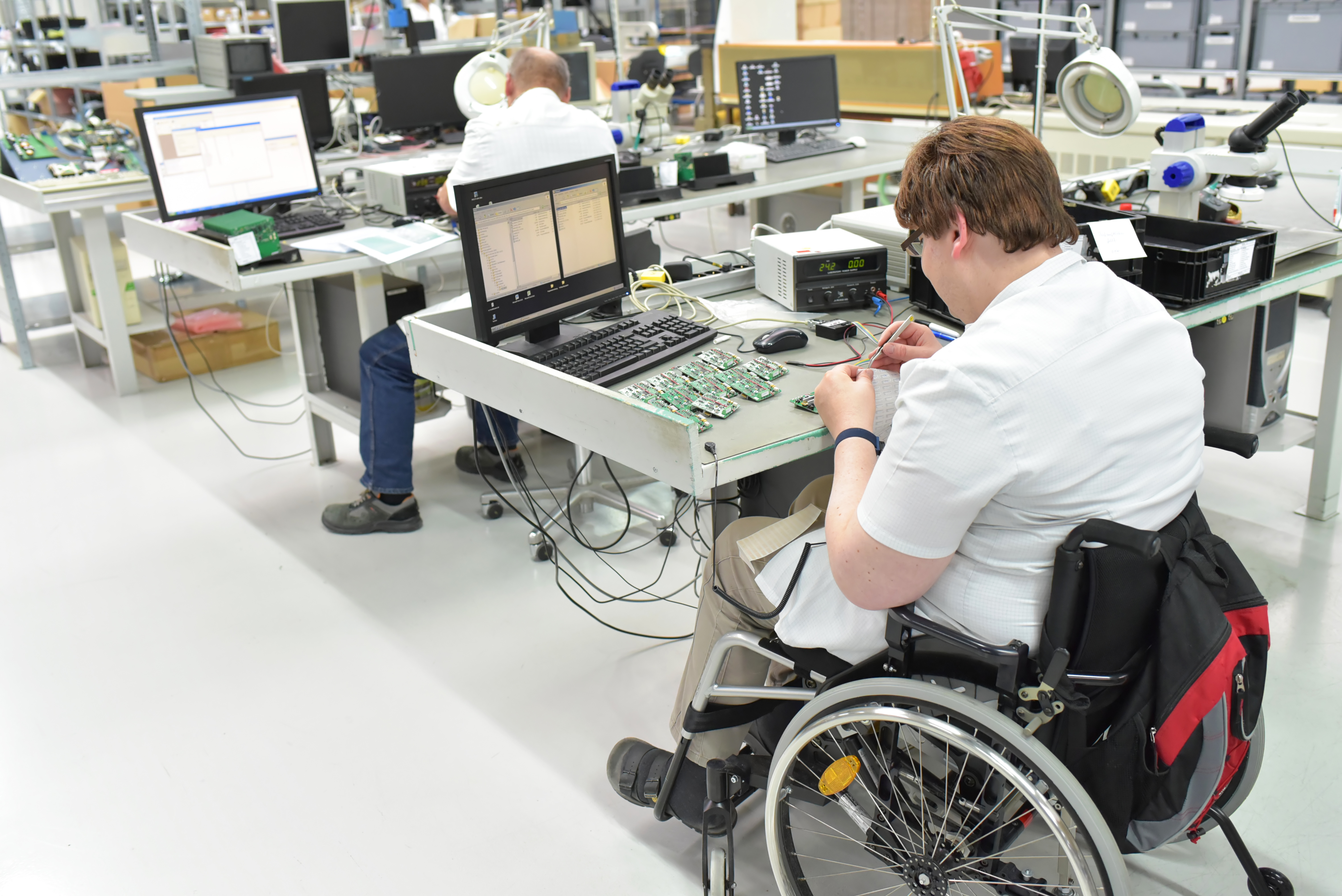
Disability and Inclusion in the Skilled Trades: A Phenomenological Study of Employment Barriers and Supports
Persons with disabilities remain underrepresented in skilled trades across Canada despite ongoing labour shortages. Little is known about their experiences navigating trade entry, workplace culture, personal protective equipment (PPE), accommodation processes, and disability disclosure. This study examined how disability interacts with employment structures, environments, and expectations across trades.Using an exploratory phenomenological approach, semi structured interviews were conducted with 31 skilled trades workers, students, and apprentices who self identified as having one or more disabilities. Reflexive thematic analysis was supported by co interpretation with advisory and lived experience groups. The Functional–Expressive–Aesthetic (FEA) framework guided analysis of PPE related findings.Participants demonstrated adaptability and persistence but faced multilayered barriers across the employment trajectory. Structural obstacles, including administrative complexity, inconsistent accommodation processes, and certification challenges, restricted access and progression. Cultural norms, including stigma, “old boys club” dynamics, and misconceptions surrounding visible and invisible disabilities, further limited equitable participation. Disability related strengths (e.g., hyperfocus, problem solving) were acknowledged but often overshadowed by deficit based assumptions. PPE experiences centred on fit, function, comfort, and sensory load, with disability specific needs intensifying consequences of poor design. Participants described compatibility challenges with assistive devices and identified simple, scalable improvements to enhance usability and safety. Learning preferences reflected the importance of hands on instruction, clear steps, repetition, aids, and mentorship. Accommodation access was uneven, and disclosure decisions were shaped by safety considerations, trust, and anticipated stigma. Strengthening equity in skilled trades requires streamlined administrative processes, inclusive PPE design and procurement, disability confident supervision and mentorship, and transparent, trust based accommodation and disclosure pathways. Sector specific implementation of existing national disability frameworks is essential to advancing safe, inclusive, and sustainable skilled trades careers. View French publication

ACCESSIBLE SKILLED TRADES: INCLUSIVE AND ACCESSIBLE SKILLED TRADES EMPLOYMENT FOR PEOPLE WITH DISABILITIES
Introduction Skilled trades are fundamental to the functioning and growth of Canada’s economy. Workers in trades occupations build infrastructure, maintain essential services, and support industries ranging from construction and manufacturing to transportation and service sec tors. The skilled trades may represent a promising pathway toward equitable employment outcomes for persons with disabilities. Skilled trades careers can provide stable employment, strong earnings potential, and opportunities for advancement. Despite this potential, persons with disabilities remain underrepresented in skilled trades occupations. Research across sectors has documented discrimination in hiring practices, limited opportunities for advancement, and insufficient knowledge among employers regarding disability accommodation. Individuals with disabilities frequently report encountering stigma, aesthetic bias, and skepticism about their productivity or qualifications. In skilled trades environments, these barriers are often amplified by the nature of work tasks and workplace cultures. Trades workplaces often prioritize physical performance, technical skill, and productivity, which can shape assumptions about workers’ abilities and influence access to opportunities. This report addresses knowledge gaps by examining accessibility in skilled trades from multiple complementary perspectives: workers, employers, and previous scientific studies. The projects presented in this report explore employer readiness to accommodate workers with disabilities, the availability of assistive devices, technologies and workplace support solutions, and the lived experiences of persons with disabilities navigating skilled trades employment pathways. Studies contained in this report employ complementary mixed-methods, including phenomenological interviewing, surveys, scoping reviews and environmental scans. Collectively, these findings have direct implications for the development of accessibility standards that reflect the operational, cultural, and safety realities of skilled trades environments. Summary of Findings The research in this report converges on a clear message: persons with disabilities are a significant, underutilized talent pool for Canada’s skilled trades, yet face layered structural, cultural, training, and equipment barriers. Practical, scalable solutions, particularly in training design, PPE and procurement, accommodation pathways, and employer readiness, can meaningfully improve sector entry, safety, and retention. Participation & Risk Persons with disabilities represent about 20% of apprenticeship populations, but remain underrepresented in the broader trades workforce and advancement pathways, across a variety of sources. Apprentices with disabilities reported lower occupational health and safety knowledge, higher likelihood of severe injury, and more chronic and short-term pain, suggesting a preventable gap in training efficacy and workplace controls. Structural & Cultural Barriers Structural obstacles, such as administrative complexity, inconsistent accommodation processes, and certification challenges, limit both access and progression within trades. Cultural dynamics, especially stigma, “old boys’ club” norms, and misconceptions about visible and nonvisible disabilities, shape whether workers disclose, request support, or remain in skilled trades careers. Although participants bring strengths (e.g., problem solving, hyperfocus), deficit-based assumptions often over-shadowed these assets. Disclosure is strategic: workers weigh safety, trust, and anticipated stigma, highlighting the need for transparent, psychologically safe pathways to share their disability. Training & Learning Preferences Hands-on learning was broadly preferred. Apprentices with disabilities consistently recommend accommodations across three themes: learning style, resources, and physical accommodations. PPE Design PPE issues cluster around fit, function, comfort, and sensory load. Poorly designed or ill-fitting PPE can compound disability-related needs and create compatibility conflicts with assistive devices. Employer Readiness & Accommodations Many companies reported being insufficiently prepared to accommodate several impairment types; readiness was lowest for vision and mobility impairments. Construction firms were less prepared than other sectors to accommodate mobility and hearing impairments. Company size matters. Larger organizations showed greater preparedness for mobility and learning-related accommodations, suggesting a resource and capacity gradient. Assistive Technologies & Workplace Solutions Evidence scans show a disproportionate focus on physical impairments, with limited solutions for vision, hearing, and cognitive, needs, where many employers felt least prepared Employers’ awareness and integration of assistive technologies into disability management remain uneven; alignment between solutions and trade-specific tasks or functional demands is critical for adoption and impact. Implications and Next Steps Across all recommendations, a consistent theme emerges: without trade-specific standards, implementation becomes discretionary, inconsistent, and vulnerable to dilution. Employers may struggle to interpret their obligations, workers may experience uneven access to supports, and accountability mechanisms may remain weak. Therefore, trade specific standardization is not merely desirable; it is essential to achieving the objectives of accessibility legislation and ensuring that standards result in real, measurable change in skilled trades workplaces. Conclusions These findings underscore an urgent need to move beyond generalized approaches to accessibility and toward standards that reflect the unique cultures, tasks, and safety realities of skilled trades work. Persistent cultural exclusion, inconsistent employment practices, complex disclosure dynamics, and uneven accommodation access reveal systems that remain misaligned with the lived experiences of workers with disabilities. By applying these findings to standards, Accessibility Standards Canada has a critical opportunity to lead this shift by advancing trade-specific accessibility standards that translate high-level principles into actionable, practical guidance. Without such specificity, implementation risks being fragmented and ineffective. With it, Canada can meaningfully expand equitable participation in the skilled trades, strengthen workforce resilience, and build inclusive trades systems capable of meeting the country’s future social and economic needs. View French PublicationView French Executive SummaryView English Executive SummaryThis Accessible Skilled Trades project was funded by Accessibility Standards Canada. To learn more about their network of accessibility expertise and find information about related projects, please visit: Priority areas that guide our work - Accessibility Standards Canada